Meenal Raghava (b. New Delhi) is a New York–based interdisciplinary artist whose abstract paintings and mixed-media works investigate transnational identity, memory, and cultural hybridity through deliberate material tension—pairing industrial weight with chromatic luminosity.
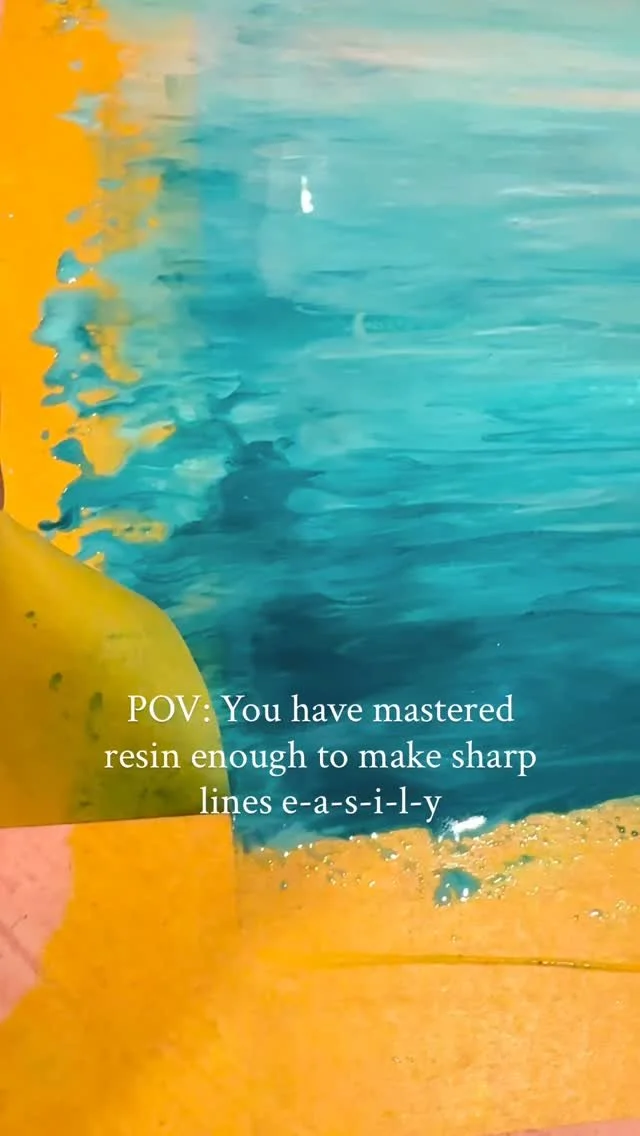
After a decade in corporate strategy at a Fortune 500 company, Raghava committed to art full-time in 2019. Working with fluid acrylics, epoxy resin, and concrete, she developed technical mastery through a practice spanning fine and functional art that reached collectors across six continents. In 2023, she pivoted decisively toward fine art, redirecting her expertise into conceptually driven abstraction—a shift that positions her among few contemporary artists exploring epoxy's potential beyond functional applications.
Her practice combines the structural rigor of her economics and business training (MA, MBA) with intuitive material experimentation. Drawing from color field painting, Impressionism, and Indian miniature and tribal traditions, she constructs layered surfaces that exist between analytical precision and emotive gesture—mirroring the thresholds of migration, reinvention of the self, and cultural negotiation that shape her inquiry.
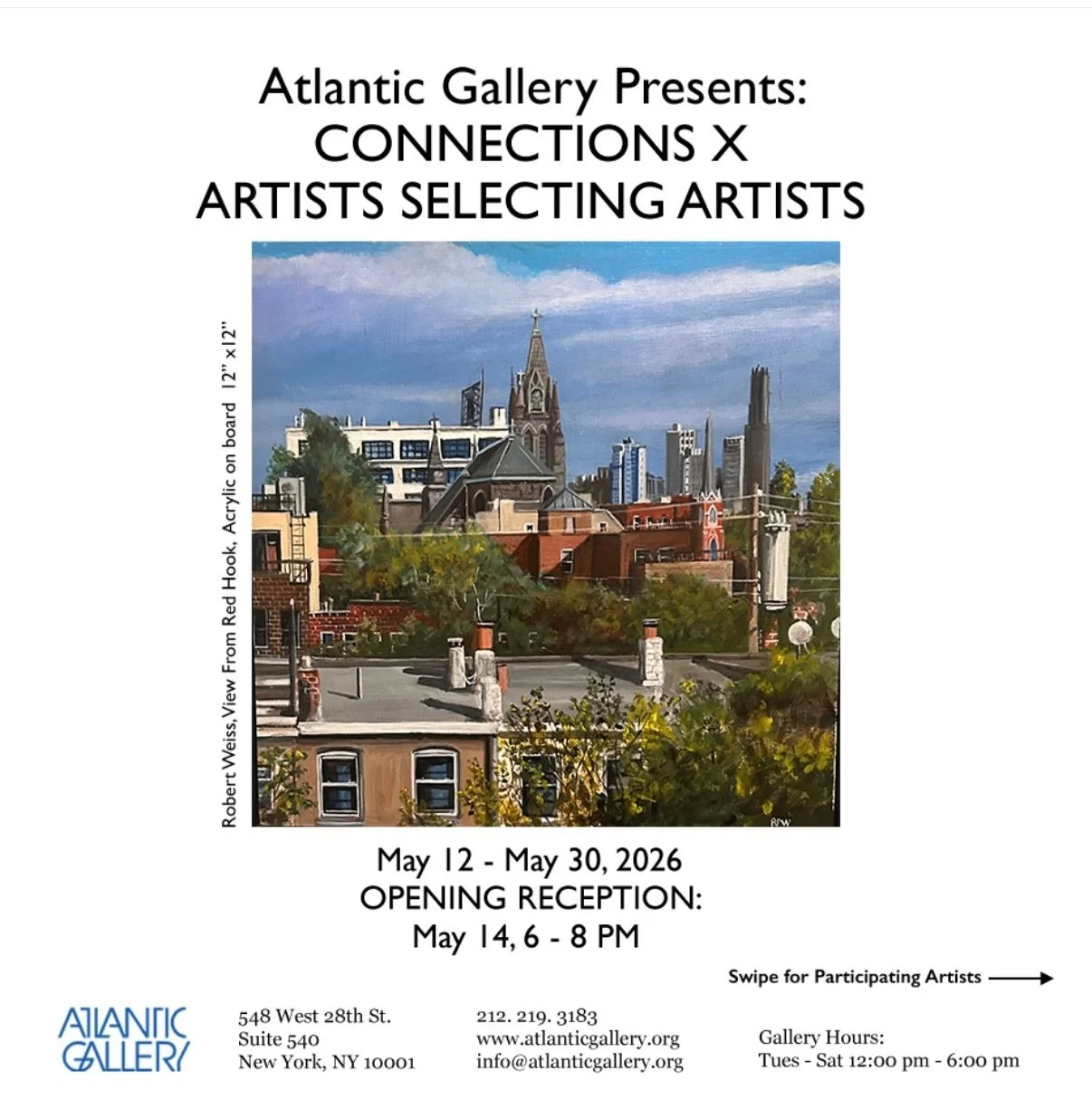
Raghava has exhibited at Westbeth Gallery (2026), The Other Art Fair Brooklyn (2024), Atlantic Gallery (2025, 2026), and Saint Marks Gallery (2024, 2025). Her work is held in private collections internationally and has been featured in Canvas Rebel Magazine, with forthcoming coverage in ROOM. She has developed and taught masterclasses on resin-based art-making and engages an international community of over 70,000.
She maintains a full-time studio practice in New York City.
inquiries: meenalscorner@gmail.com
instagram: Meenals. Corner
Moving between New Delhi and New York, I have come to understand identity not as fixed inheritance, but as a site of continual negotiation—a shifting terrain shaped by memory, distance, and the ongoing labor of belonging. My practice asks: how does one become at home in motion? And what visual language can hold the quiet complexities of this becoming?
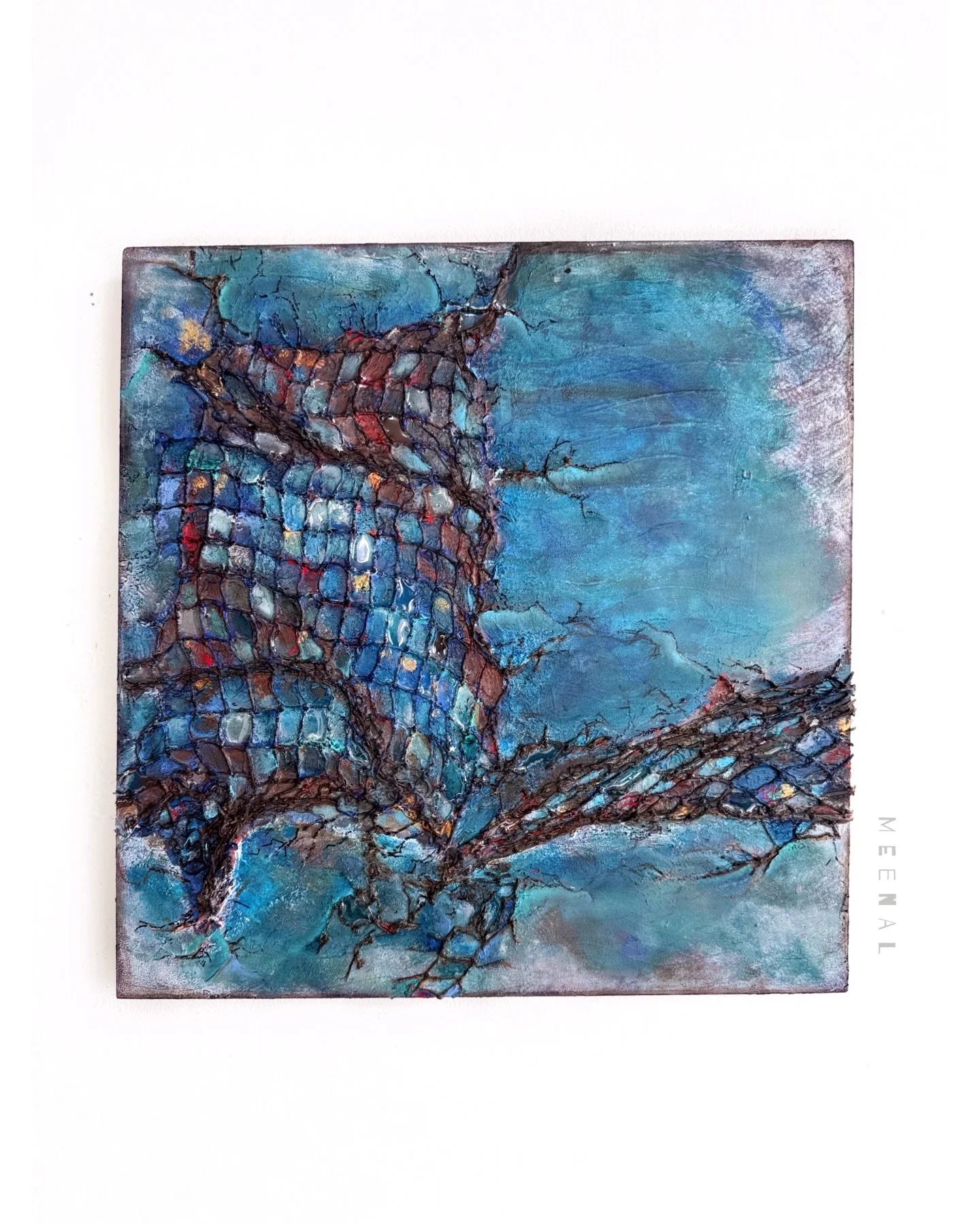
My works function as speculative architectures—visual structures that examine how memory sediments into the body, how cultural lineages persist and fracture, and how place is continually re-authored through presence and absence.
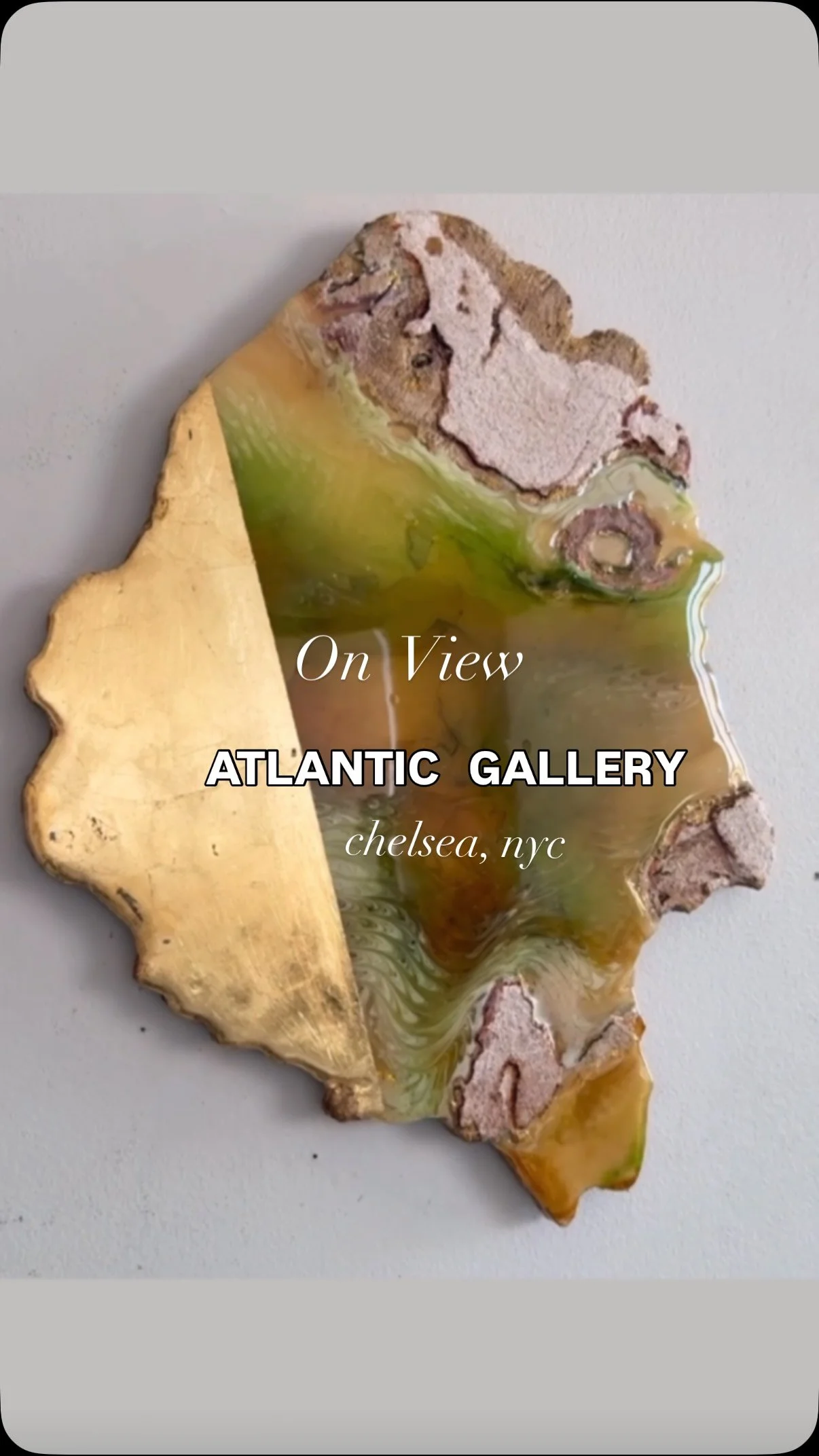
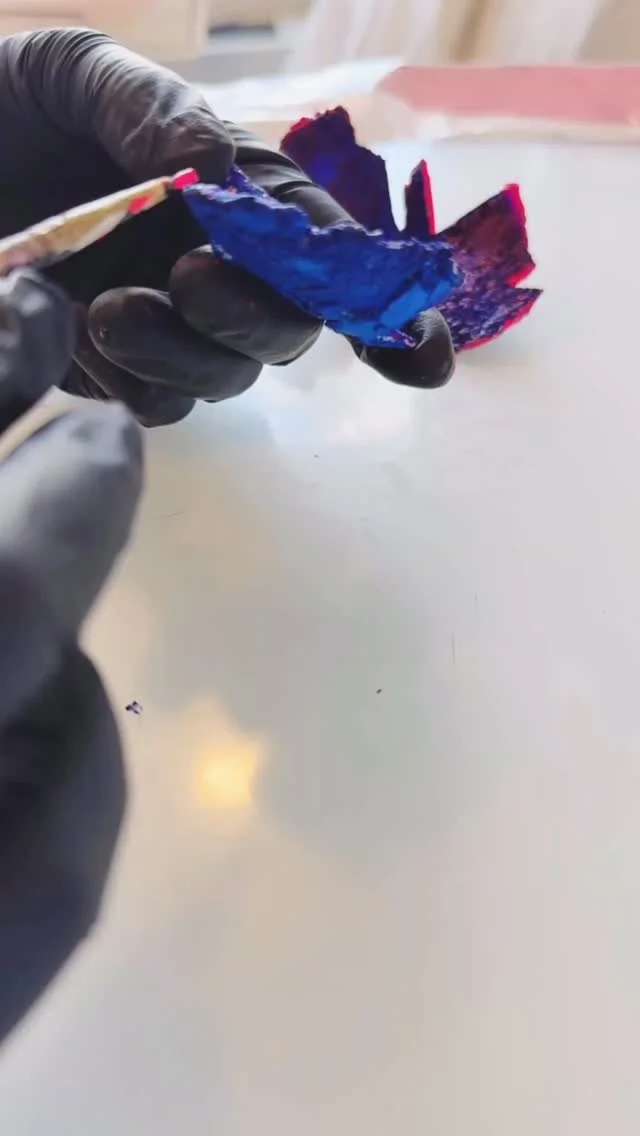
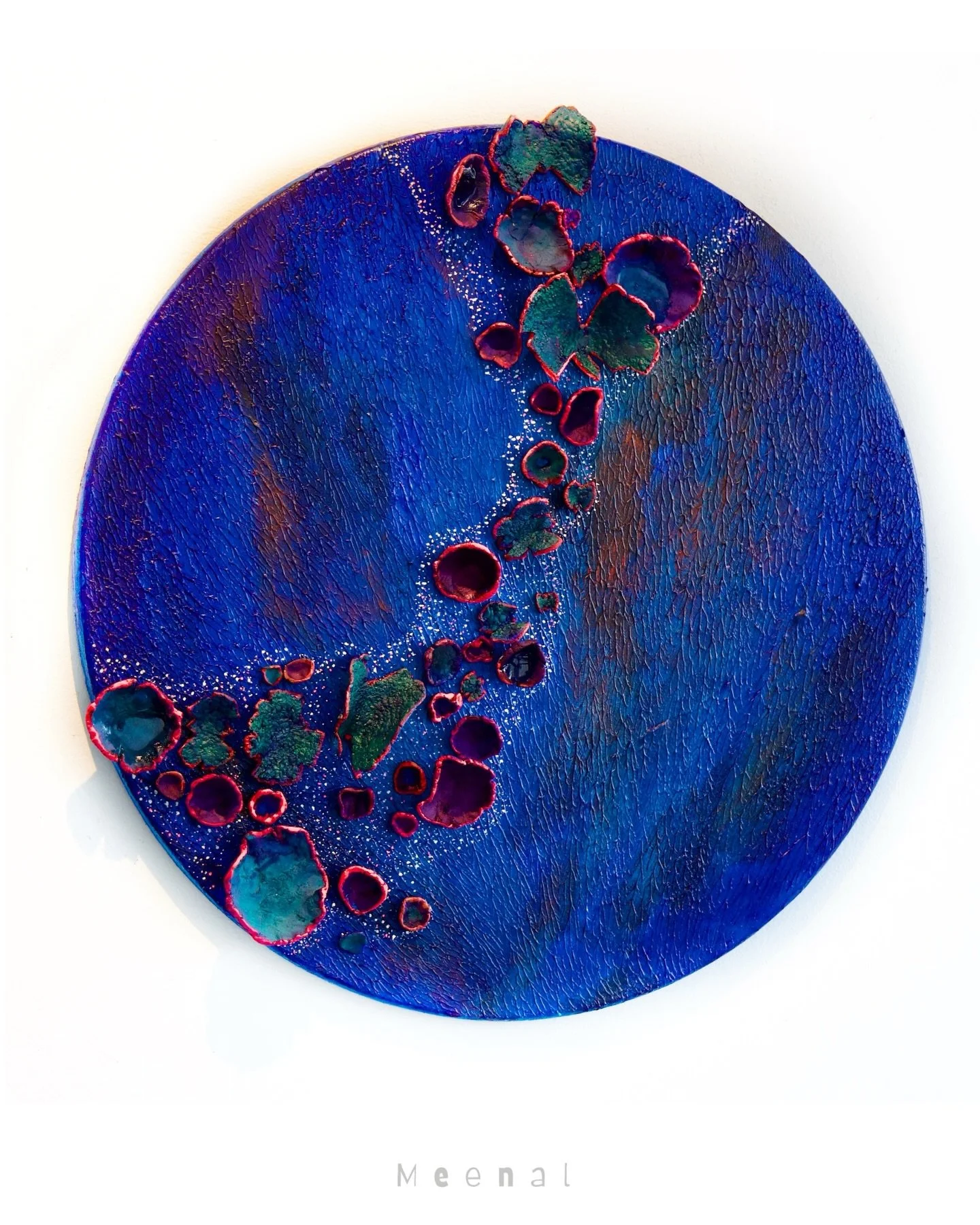
Materiality is central to this inquiry. I work with oils, acrylics, concrete, metal leaf, and epoxy to construct surfaces that echo the internal architectures of identity. Industrial materials introduce weight, tension, and permanence, while color, epoxy and gilding act as fluid, emotive forces—carriers of history and agents of transformation. My visual language draws from color field painting, Impressionism, and Indian miniature and tribal traditions. These influences coexist not as synthesis, but as reflection of hybridity itself: layered, contradictory, generative.
Each work becomes a meditative environment that unfolds slowly and rewards sustained looking. Through chromatic expanses, subtle shifts in light, and tactile surfaces, I create spaces where viewers may recognize their own in-between states: blurred memories, stretched identities, futures still in formation.
My work is a commitment to the ongoing process of becoming. It resides in thresholds—between here and there, past and present, the known and the still emerging. Within these liminal spaces, I seek not resolution, but the profound power of transformation itself.